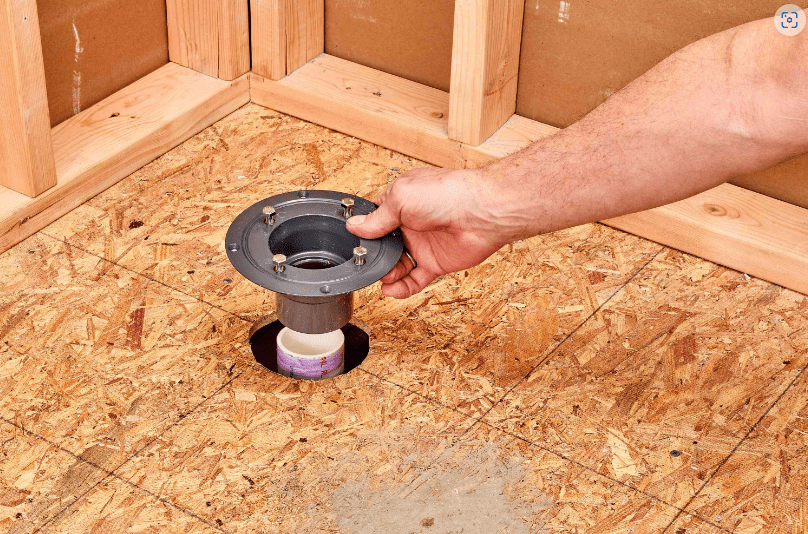
What is a Shower Drain?
Its purpose is to capture water and funnel it into the sewage wastewater system. A shower drain differs from a tub drain in that it doesn’t normally have a levered fixture blocking the drain to fill the tub with water.

Its purpose is to capture water and funnel it into the sewage wastewater system. A shower drain differs from a tub drain in that it doesn’t normally have a levered fixture blocking the drain to fill the tub with water.

Faucet aerators are designed to make your water stream smoother, more consistent, and less likely than other household objects like pots or pans. The average faucet aerator will limit the output of 1-2 GPM (gallons per minute) on higher-end models. Still, this number can vary depending on the model, so it is crucial for you as a buyer to beware!

Do you ever have problems with low water pressure in your kitchen faucet? It can be frustrating when you’re trying to cook or wash dishes, and the water doesn’t seem to flow very well.

The best solution for an engineer is always different based on the application and project conditions. When selecting the finest material for a P trap, you must consider factors such as cost, durability, performance, and other characteristics.

The kitchen faucet is a widely used fixture in any kitchen. It has a long history of keeping water conveniently accessible for many homes.
On average, a family is estimated to press the tap more than 40 times per day, based on a report from the KWC firm. Given how often it is used, choosing a kitchen faucet that is right for your kitchen style and lifestyle will last through the years is vital.

Faucets are one of the essential components of any plumbing system. Yet, most people know very little about how they are made. The manufacturing process is surprisingly complex, involving high-tech machines and skilled human craftsmen.

Choosing the right bathtub drain for your tub is vital to keep water in the tub when you want it there and to be able to empty the tub again when you’re ready. Bathtub drain stoppers have several distinct varieties, each with benefits and drawbacks.

Drain stoppers are devices that plug bathtub and sink drains to prevent water, soap, and other substances from flowing down the drain. These stoppers are an improvement over standard plugs, which are often prone to tearing, warping, or even getting lost if they are not maintained tightly attached.

Surface treatment intentionally creates an odd layer on the base, which stands out in mechanical, physical, and chemical properties different from the base material.
The overall working performance of the Bathtub drain is closely related to its surface property, and the surface performance cannot be achieved merely by the base material; thereby, surface treatment technology is needed to make the drain more resistant to corrosion and wear.

S-traps and p-traps are two types of drains that serve different purposes. S-traps are typically used for sinks, while p-traps are used for toilets. The main difference between the two is their form. S-traps have a U-shaped curve that helps to trap water in the drain, while p-traps have a J-shaped curve that allows water to flow through the drain.
WhatsApp us
*We respect your confidentiality and all information is protected.